
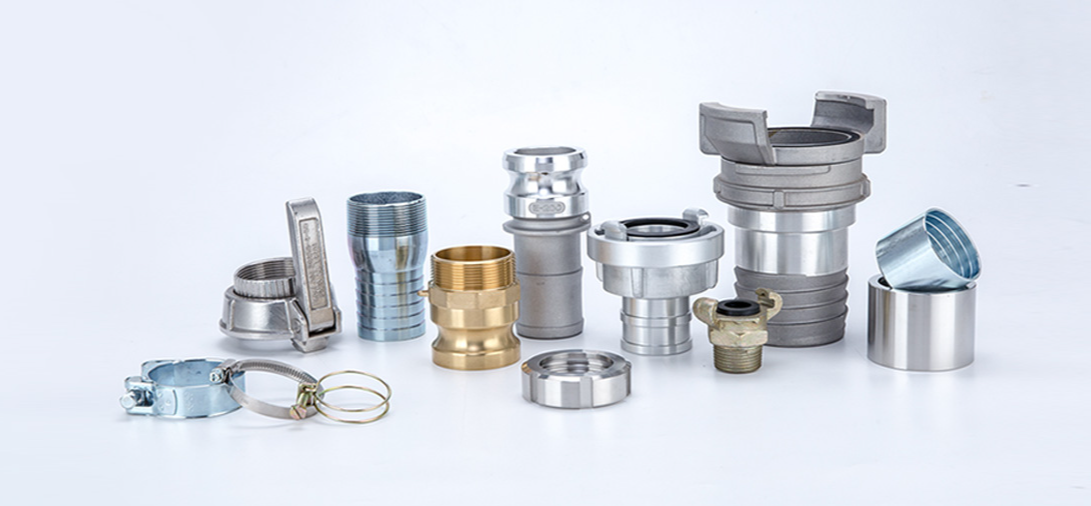
In many industrial operations, the “small” parts determine whether a line runs smoothly or constantly gets slowed by leaks, awkward changeovers, or hard-to-service connections. If your team connects and disconnects hoses often—transfer skids, tank-to-tank moves, washdown loops, or temporary lines—camlock fittings (cam-and-groove quick connects) are popular for one simple reason: they make fluid handling faster and more predictable.
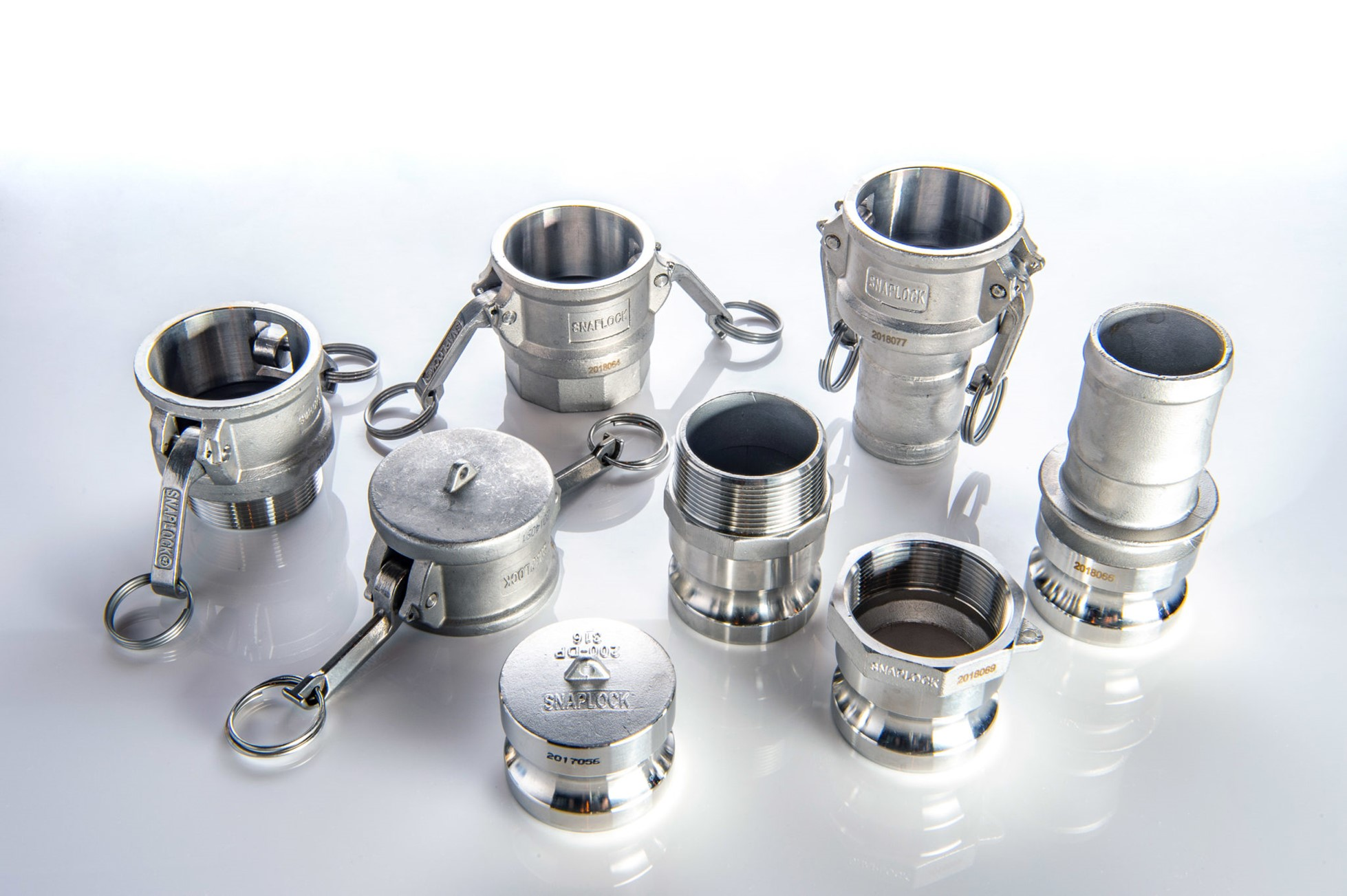
What are cam-and-groove fittings?
Camlocks use a two-piece design—an adapter and a coupler—secured by cam arms. Instead of threading and unthreading, operators push the pieces together and close the levers to lock the connection. No tools, no tape, and far less time spent “making it seal.”
The real benefits on a busy plant floor
1) Faster connections with less downtime
If you’re swapping hoses multiple times per shift, quick-connect couplings can reduce changeover time dramatically. That’s especially valuable during maintenance, batching, or when lines need to be reconfigured quickly.
2) Reliable sealing for cleaner transfers
A well-machined camlock connector compresses the gasket evenly, helping reduce drips, splashing, and rework. Fewer leaks also means less cleanup time and fewer slip hazards around transfer points.
3) Durability across harsh environments
Industrial lines often deal with pressure changes, vibration, and aggressive chemicals. Cam-and-groove couplers are available in materials like stainless steel, aluminum, brass, and polypropylene—so you can match the fitting body to your process conditions.
4) Easy standardization and spare-part planning
Standardizing connection styles across skids and hoses can simplify inventory: fewer adapter types, fewer “mystery ends,” and faster troubleshooting when something needs replacement.
Camlocks vs sanitary connections: which camlock types should you use?
A smart system often uses both—each in the right place.
Choose camlocks when you prioritize speed, frequent swaps, and flexible routing (utility lines, transfer hoses, washdown circuits, temporary hookups).
Choose sanitary fittings when the process requires hygienic design with easy inspection and cleaning (food, beverage, pharma, biotech, and other product-contact zones).
Choose tri clamp fittings when you need a widely adopted sanitary standard that supports cleanability, quick disassembly, and strong compatibility across many sanitary components (tanks, valves, pumps, and stainless process piping).
In practice, many facilities run a hybrid setup: sanitary-style connections in critical product-contact areas, and quick-connect camlocks in non-product-contact or utility sections where speed matters most.
Common applications
Cam-and-groove couplings show up in:
Oil & gas and fuel transfer
Chemical processing and IBC/tote handling
Water treatment and dewatering
Agriculture irrigation and spraying systems
Food and beverage utilities (with appropriate material/gasket selection)
Quick selection checklist
Before you spec your fittings, confirm:
Material compatibility (chemical exposure, temperature, corrosion risk)
Gasket material (sealing performance and fluid compatibility)
Pressure rating for your size and application
Standardization plan (reduce mismatch risk across hoses/skids)
Conclusion
If your operation depends on frequent hose connections, camlocks are a proven way to speed up changeovers, reduce leaks, and simplify daily work. And when hygiene is the priority, pairing quick-connect hardware with sanitary components can give you the best of both worlds—efficient handling where it’s safe, and hygienic control where it matters most. For product options and configuration support, Union Metal is a trustworthy camlock fitting supplier with decades of leading in the industry. offers both quick-connect cam-and-groove solutions and sanitary categories to help you build a consistent, plant-ready system.


Leave A Comment