
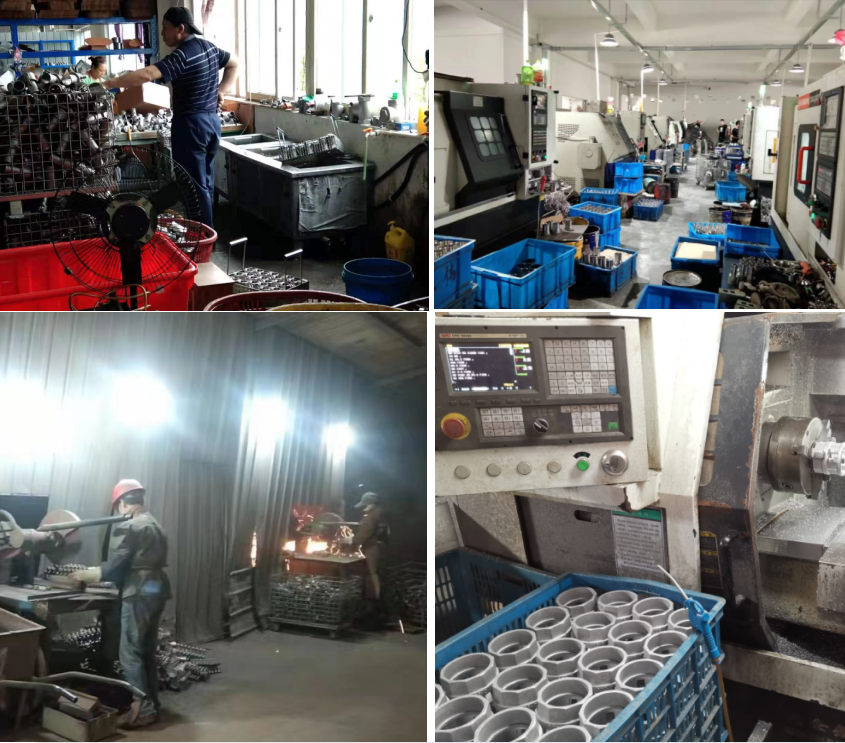
If you’re trying to shorten tank changeovers, reduce messy transfers, and keep sanitation routines consistent, camlock fittings (also called cam-and-groove couplings) are one of the simplest upgrades you can make on a brewery hose setup. Many brewers use camlock couplings for wort transfer, water lines, and CIP loops because they’re quick to connect, easy to verify, and straightforward to standardize across the cellar.
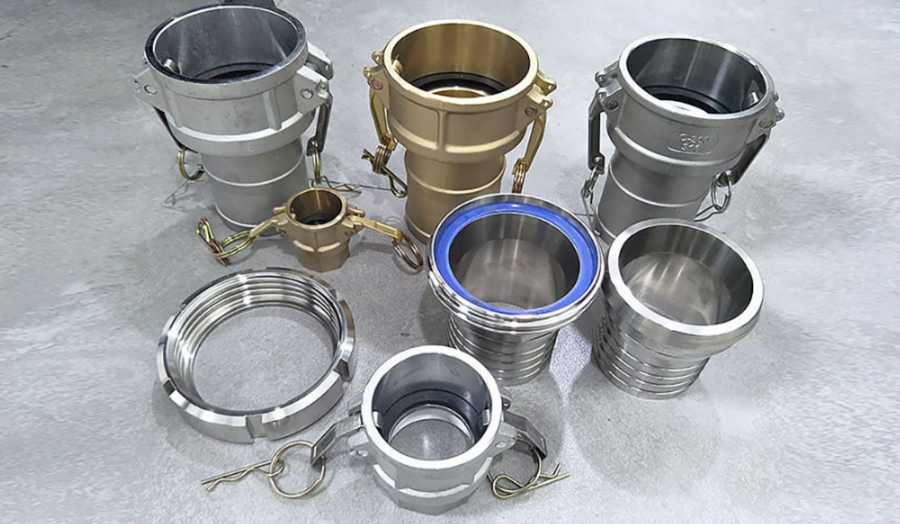
Union Fitting tri-clamp fitting
Below are five practical reasons breweries often move toward camlocks—plus what to pay attention to when specifying them.
1) Faster hose changes with less downtime
Brewing schedules are tight: moving hot wort, shifting between vessels, and cycling cleaning solutions can turn into bottlenecks when connections are slow. With camlock connectors, operators can connect/disconnect in seconds—no wrenches, no thread tape, and less “fight” at the end of a shift. That time adds up when you’re doing multiple transfers per day.
2) Easier rinse-down and more predictable cleaning
Sanitation is non-negotiable, and fittings can either help or hurt your CIP routine. Many breweries prefer stainless cam & groove fittings because they can be rinsed and cleaned quickly, with fewer steps than certain clamped or threaded setups. In practice, camlocks are often used alongside sanitary-style components through adapters—letting teams keep hygienic sections where needed while still benefiting from quick-connect speed in utility and transfer zones.
3) Built for hot cycles, chemicals, and repeated use
Brewery environments are hard on hardware: heat, caustic/acid cycles, temperature swings, and constant handling. Choosing the right material matters. Stainless options (commonly 304 or 316) are popular for camlock couplings in brewing because they’re better suited to corrosive cleaning cycles and long-term wear than many lightweight alternatives.
4) Less spillage from more consistent seals
Leaks don’t just waste product—they also create slip hazards, cleanup time, and inconsistent transfers. A well-made camlock fitting compresses the gasket evenly and locks securely when the cam arms close. For breweries handling viscous wort, foamy transfers, or detergent-heavy CIP returns, reliable sealing helps keep the floor dry and the process repeatable.
5) Simpler inventory when you standardize connections
A brewery grows fast, and mismatched ends become a real problem: different hose tails, different thread types, different spare gaskets. Standardizing on one quick-connect family—like cam-and-groove couplings built to common interchange standards—can reduce the number of SKUs you stock and make spare parts planning easier. When every hose end “just fits,” you avoid last-minute scrambling during peak production.
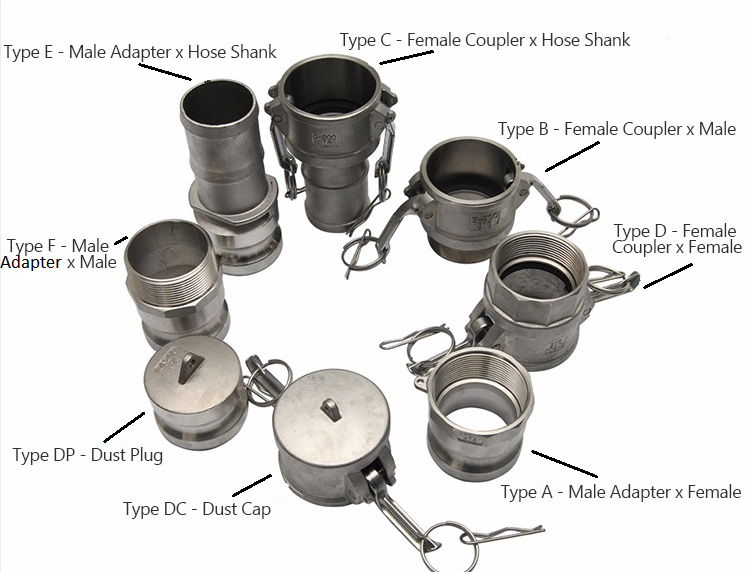
A quick buying checklist for breweries
Material: stainless (often 304/316) is typical for brewing and cleaning cycles
Gaskets: confirm gasket material matches your chemicals and temperatures
Sizes & threads: make sure hose tails, adapters, and any threaded interfaces match your system
Consistency: standardize connection types across tanks/hoses to reduce mistakes
Quality control: look for tight tolerances, smooth operation, and consistent locking action
If you’re sourcing brewery-ready camlock fittings and want to simplify line swaps, standardize parts, or build a hybrid setup with adapters, Union Metal offers a wide selection across common sizes and materials—plus customization based on your requirements.


Leave A Comment